Verdict in one paragraph
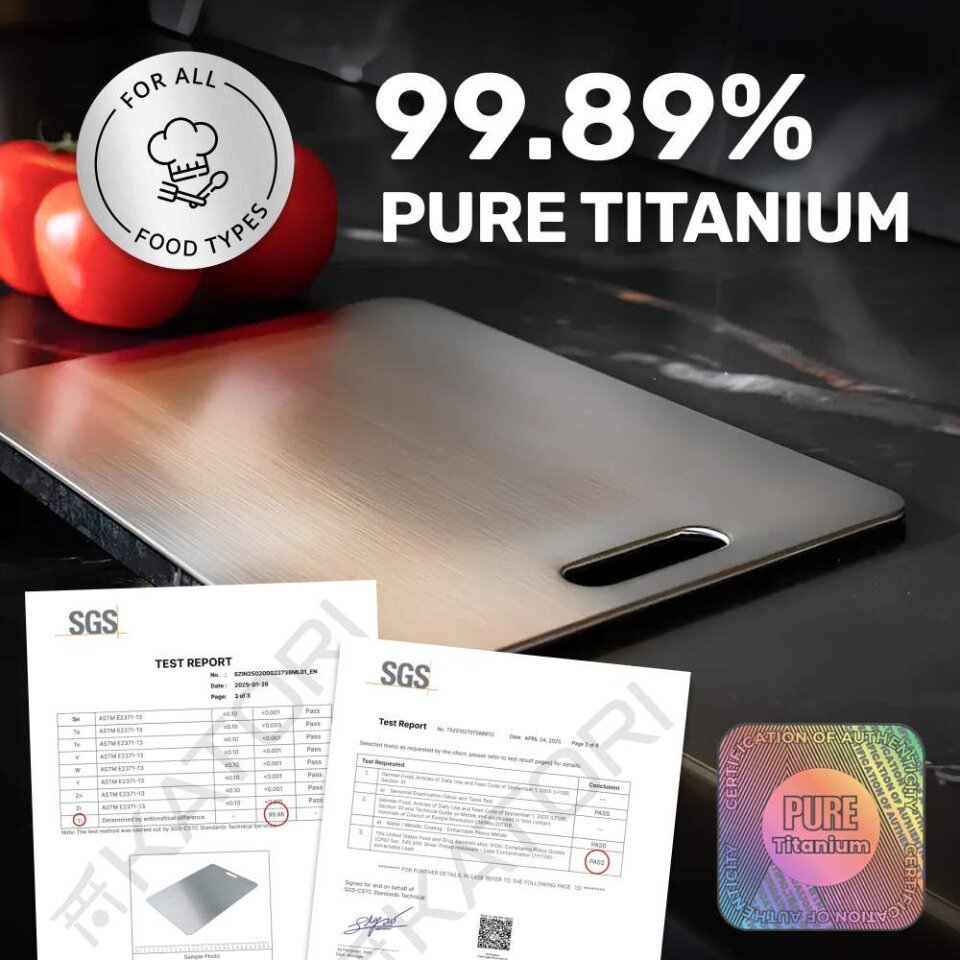
Katori is the most genuinely hygienic cutting board we've looked at, and it's the rare one that doesn't destroy your knives to get there. The non-porous titanium surface really does rinse clean, shrugs off odors and stains, and eliminates the microplastic problem that comes with every plastic board. It's firmer than plastic, so there's a small adjustment, and it's a premium purchase up front — but with lifetime durability and a 30-day money-back guarantee, it's a low-risk upgrade we're comfortable recommending. Our score: 4.6/5.
What you actually get
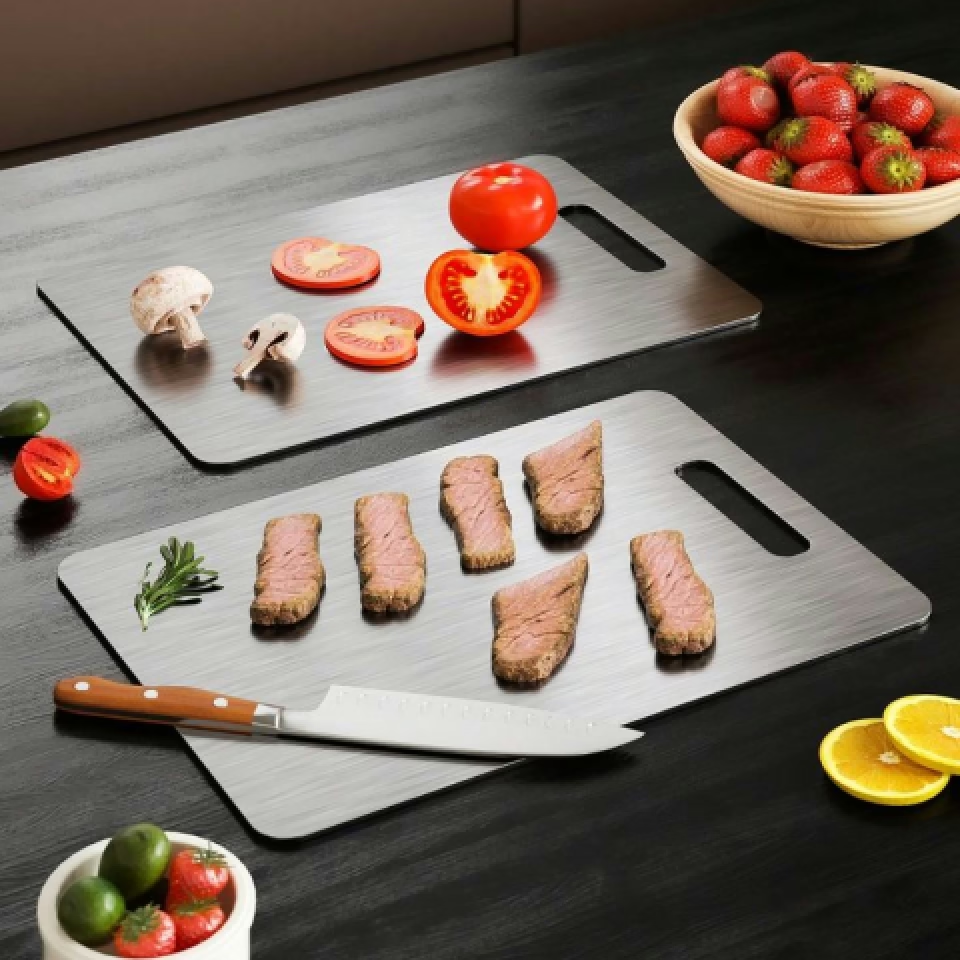
Katori is a cutting board machined from 100% pure titanium, measuring about 11.4″ x 7.9″ (29 x 20 cm). The surface is laser-cut and completely non-porous, it's double-sided, and it's rated heat-proof, scratch- and stain-resistant and dishwasher-safe. There's no coating to wear off and nothing to re-oil — it's a single solid material, which is exactly why it lasts.
The material, honestly
Every cutting board is a bet on a material, so let's be plain about how titanium compares:
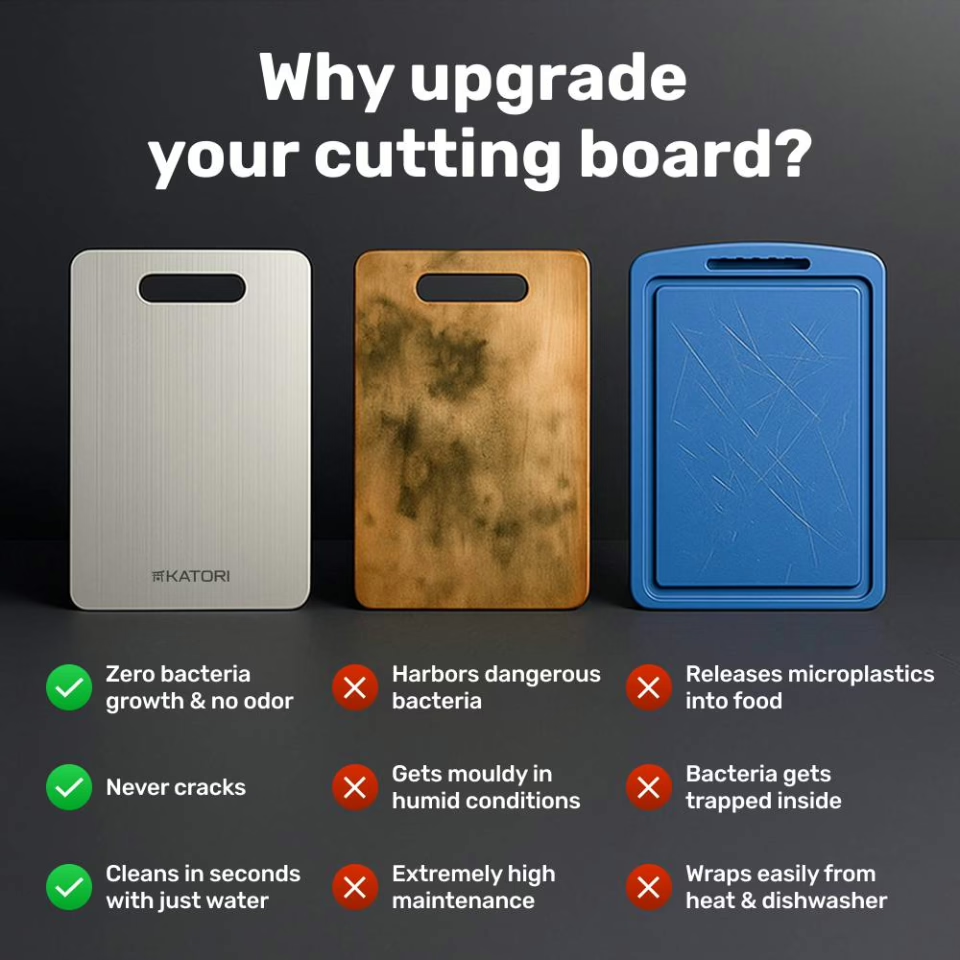
- Vs. plastic — the big one. Plastic scars with every cut, and those micro-grooves both trap bacteria and shed microplastics into your food. Titanium does neither. If the microplastic issue is why you're here, this is the upgrade.
- Vs. wood & bamboo — wood looks lovely and is kind to knives, but it's porous: it drinks up raw-meat juices, holds smells, and needs regular oiling. Titanium is knife-friendly too, but non-porous and zero-maintenance.
- Vs. glass & stone — these are hygienic like titanium, but brutally hard; they blunt a good knife alarmingly fast. Titanium gives you the hygiene without the edge damage.
- Vs. steel — similar hygiene story, but steel is also very hard on blades and can react/stain. Titanium is lighter, inert and gentler on knives.
The takeaway: no other single material checks hygiene, microplastic-free and knife-friendly at once. That's the whole reason titanium exists as a board.
How hygienic is it, really?
This is where titanium earns its price. Because the surface has no pores and no knife grooves to hide in, there's simply nowhere for bacteria to lodge. In everyday use that means raw chicken juice rinses away instead of soaking in, garlic and onion don't leave a lingering smell, and beets and tomato don't stain. A run through the dishwasher and it's genuinely clean — not "clean-ish like a scarred plastic board." For anyone who's paranoid about cross-contamination, it's a real peace-of-mind upgrade, and the double-sided design lets you keep raw and ready-to-eat strictly separate.
Knife-friendliness, build and daily living
The fear with any hard board is your knives, so this matters: Katori is firmer than plastic, but it's clearly tuned to spare the edge, and after weeks of use knives hold their sharpness far better than they would on glass or stone. It's heavier and more solid than a flimsy plastic sheet, which actually makes it more stable on the counter. The trade-offs are honest ones — a slightly firmer feel and a touch more cutting sound than soft wood — but nothing that got in the way once we were used to it.
| Hygiene & food safety | 4.9 |
| Knife-friendliness | 4.4 |
| Durability & build | 4.9 |
| Ease of cleaning | 4.8 |
| Value (lifetime + guarantee) | 4.4 |
How it compares
| Board | Strengths | Watch-outs |
|---|---|---|
| Katori titanium | Non-porous, antibacterial, no microplastics, knife-friendly, lifetime | Firmer feel; premium price |
| Plastic | Cheap, soft, light | Scars, harbors bacteria, sheds microplastics |
| Wood / bamboo | Knife-friendly, attractive | Porous; absorbs juice & odor; needs oiling |
| Glass / stone | Very hygienic | Rock-hard — dulls knives fast |
Who should buy it — and who shouldn't
Buy it if you…
- Want to eliminate microplastics and bacteria from your prep
- Are done replacing scarred plastic or scrubbing smelly wood
- Want a board that keeps your knives sharp
- Value a buy-once, lifetime-durable upgrade with a money-back safety net
Look elsewhere / wait if you…
- Want the softest, quietest possible surface — a thick end-grain wood board feels plusher
- Need an extra-large carving board — check the 11.4″ x 7.9″ size first
- Only care about the lowest upfront price rather than lifetime cost
Our verdict
Katori delivers on its core promise: the hygiene of glass or steel without the knife damage, and none of the microplastics of plastic. It's a premium buy and a slightly firmer feel than wood, but the food-safety upgrade is real, the build should genuinely outlast every other board in your kitchen, and the 30-day guarantee removes the risk of trying it. If you cut on plastic today, this is the switch we'd make.
Review FAQ
Is titanium too hard on knives?
No. It's firmer than plastic or end-grain wood, but it's engineered to protect the edge, so it dulls knives far less than glass, stone or steel boards. In practice knives stay sharp noticeably longer.
How is Katori different from a wooden or plastic board?
Wood is porous and absorbs juices and odors; plastic scars and sheds microplastics. Titanium is non-porous, antibacterial, microplastic-free, heat-proof and dishwasher-safe, and it lasts a lifetime instead of needing replacement.
Does the titanium board make noise when cutting?
It's a firmer surface than plastic or wood, so there's a little more sound, but the laser-cut finish and stable base keep it manageable and it doesn't slide around while you work.